
Chow Chow
Ancient, lion-like Chinese breed with a famously aloof temperament; intensely loyal to one person but not a social, people-pleasing breed — requires experienced ownership.
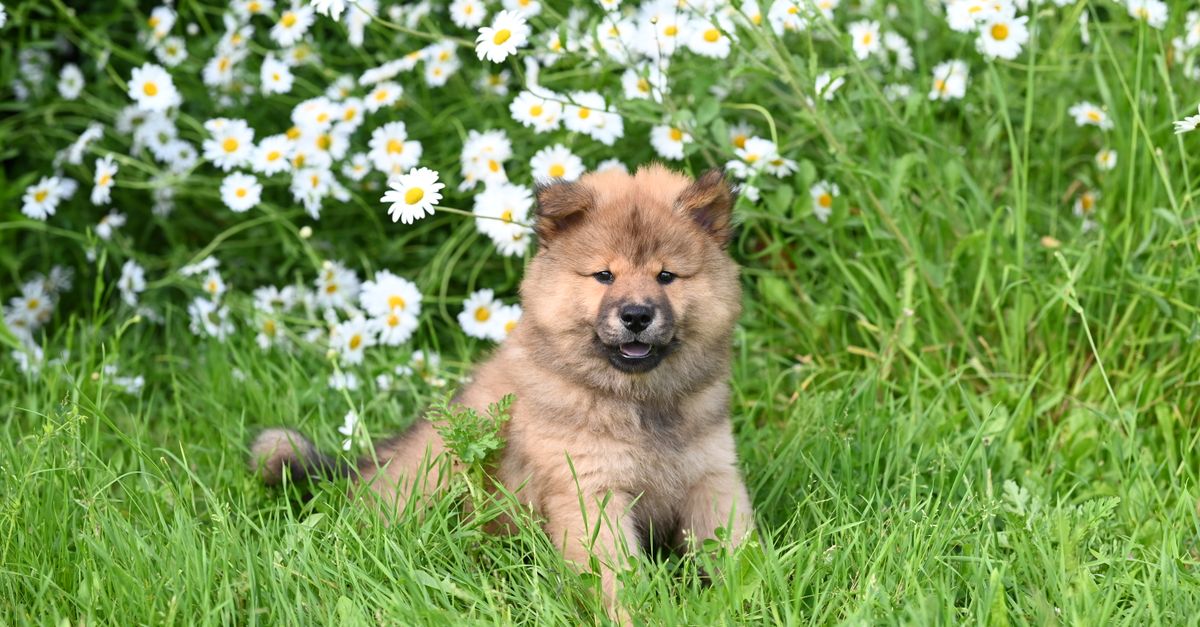
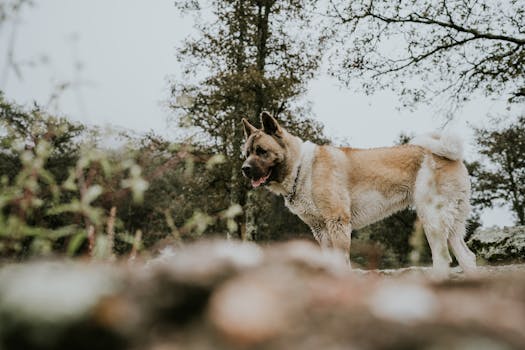
Photo by JacLou- DL on Pexels
Quick facts: Chow Chow
- Size
- Medium
- Weight
- 11.3–14.5 kg
- Origin
- China
- Life span
- 8–12 years
- Temperament
- Aloof, loyal, independent, dignified
- Energy level
- Low
- Grooming needs
- Very‑high
- Trainability
- High
- Apartment fit
- Low
- Typical annual cost
- ~$2,200
Is the Chow Chow right for you?
Best for
- Experienced dog owners who appreciate independent, cat-like temperament
- Adults-only households or those with older children
- Those wanting a loyal companion without neediness
- Cold climate owners prepared for grooming demands
Not ideal if
- Families with young children (not a tolerant, patient family breed)
- Homes with other dogs or pets (dog-to-dog aggression is common)
- First-time owners — Chow Chows require confident, consistent handling
- Hot climates — serious heat intolerance
A dignified, low-energy breed for experienced owners — not suited to families with children, other pets, or owners wanting an affectionate, biddable companion.
Trait snapshot
Chow Chow is part of the Non-Sporting Group — see group tendencies →
What owners actually say
Chow Chow owners describe a fiercely loyal, dignified companion — but warn that independence and stranger wariness require experienced, consistent ownership from day one.
- Training
Independent and stubborn in training — they are not people-pleasers. Owners who succeed treat sessions as collaborative negotiations rather than top-down commands. Early and consistent training from a puppy is non-negotiable.
- General
Deeply loyal to their immediate family but reserved or aloof with strangers. Owners describe a cat-like personality — affectionate on their own terms. This is not a breed that bonds with everyone.
- Shedding
The coat requires significant seasonal shedding management. Owners describe twice-yearly blowouts as dramatic — daily brushing during these periods is essential to prevent matting.
- Health reality
Heat tolerance is very low. Owners in warm climates consistently report needing to limit exercise to early mornings or evenings. Air conditioning is essentially mandatory in summer.
- General
Low exercise needs relative to their size. Many owners are surprised that daily moderate walks are sufficient — this is not a high-energy breed and can adapt to calm households.
Editorial summary. Phase 3 will add structured owner survey data.
Cost snapshot
Range $1,400–$3,800
Range $2,500–$7,500
After first year
Annual breakdown
Assumptions used:
- High grooming demands (professional grooming or significant owner time)
- Potential specialist training costs
- Orthopedic and eye condition monitoring costs
Last reviewed: 2026-06-20
Read full methodology →Health watchlist
Health information is educational only. Always consult your veterinarian.
Hip and elbow dysplasia
Both conditions are common in Chow Chows. OFA evaluation of parent dogs is standard in responsible breeding programs. Consult your vet.
Entropion (eyelid rolling inward)
Chow Chows have a genetic predisposition to entropion, which can cause eye irritation and damage. Surgical correction is available. Consult your vet if eye squinting or discharge is observed.
Hypothyroidism
Thyroid disease is more common in Chow Chows than average. OFA thyroid testing is available. Consult your vet.
Bloat/GDV
Deep-chested breed with moderate bloat risk. Feed smaller meals and avoid exercise after eating. Consult your vet for guidance specific to your dog.
Diabetes
The breed has above-average diabetes risk. Maintain a healthy weight and consistent feeding schedule. Consult your vet for guidance specific to your dog.
Check your fit
Answer a few questions to see how a Chow Chow fits your household.
Frequently asked questions
Are Chow Chows good family dogs?
Are Chow Chows aggressive?
How much grooming does a Chow Chow need?
Why do Chow Chows have a blue-black tongue?
How much does it cost to own a Chow Chow?
What health problems are Chow Chows prone to?
Are Chow Chows easy to train?
Are Chow Chows good apartment dogs?
Are Chow Chows good for first-time owners?
How long do Chow Chows live?
Tools for Chow Chow owners
Similar breeds to the Chow Chow
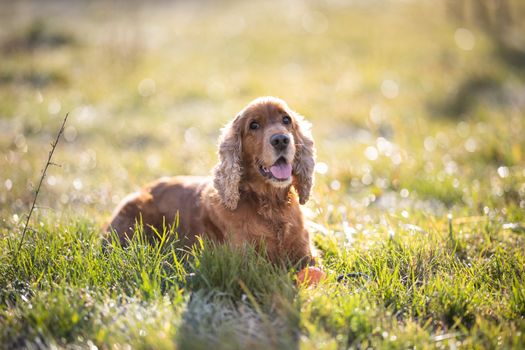
America's most popular sporting spaniel — gentle, responsive, and adaptable; a breed that genuinely thrives as both a family companion and working dog.
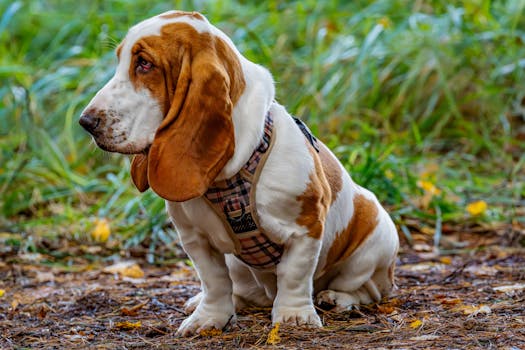
Charming, low-slung scent hound; remarkably good-natured and low-energy indoors but notoriously stubborn, prone to baying, and will follow any interesting scent off-lead.
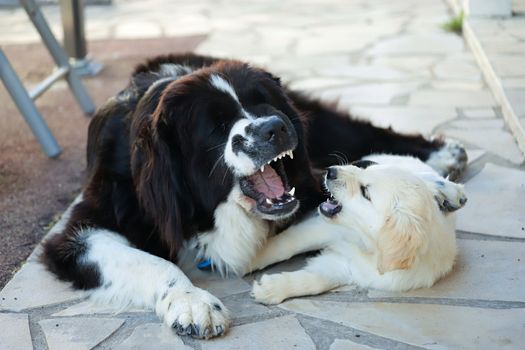
Massive, gentle water rescue dog with an extraordinarily sweet temperament; one of the best large breeds for families but demands exceptional space, coat management, and health commitment.
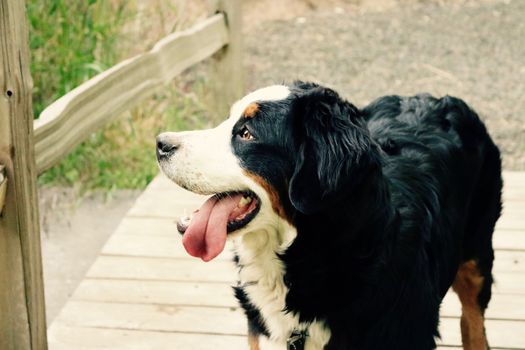
Striking tri-colored Swiss working dog with a gentle, calm temperament; devoted family companion with elevated health and grooming demands.
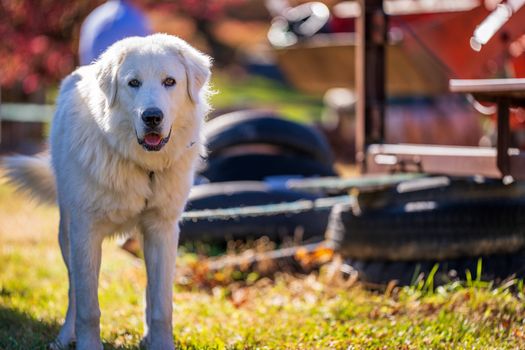
Magnificent large white livestock guardian dog from the Pyrenean mountains; calm, devoted, and patient — but profoundly independent, a heavy shedder, and prone to nocturnal barking rooted in centuries of solo guarding work.
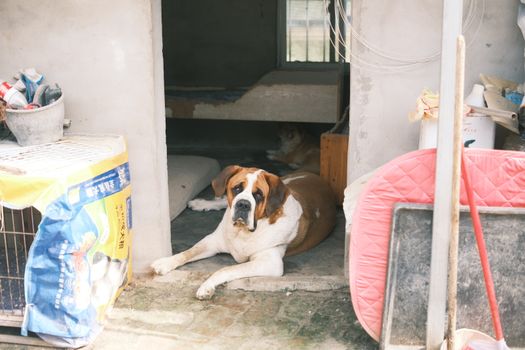
Iconic giant rescue breed with an exceptionally gentle temperament; one of the best family dogs but requires space, cold climate tolerance, and preparation for a shorter lifespan.
Compare & learn more
Head-to-head comparisons
Which breed page feature helps you most?
Help improve PupWiki with one quick anonymous answer.
Find my breed match →