
Cocker Spaniel
America's most popular sporting spaniel — gentle, responsive, and adaptable; a breed that genuinely thrives as both a family companion and working dog.
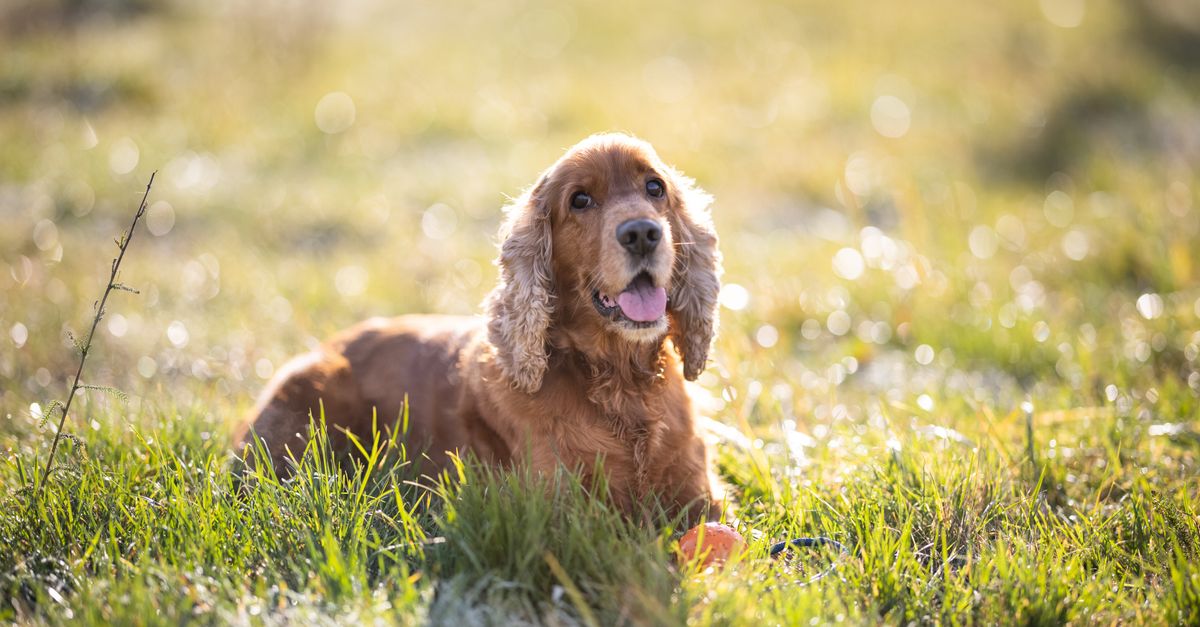
Photo by Son Tung Tran on Pexels
Quick facts: Cocker Spaniel
- Size
- Medium
- Weight
- 11.3–13.6 kg
- Origin
- United States (from English ancestors)
- Life span
- 10–14 years
- Temperament
- Gentle, smart, happy, adaptable
- Energy level
- Medium
- Grooming needs
- Very‑high
- Trainability
- Low
- Apartment fit
- Medium
- Typical annual cost
- ~$2,200
Is the Cocker Spaniel right for you?
Best for
- Families with children
- Owners willing to budget for regular professional grooming
- Active households that can provide daily exercise
- First-time owners who want a trainable, affectionate dog
Not ideal if
- Owners not prepared for significant grooming time and cost
- Households where the dog will be alone most of the day
- Those seeking a low-maintenance coat
A gentle, people-oriented spaniel excellent for families — with a grooming commitment that must be planned for.
Trait snapshot
Cocker Spaniel is part of the Sporting Group — see group tendencies →
What owners actually say
Cocker Spaniels earn consistent praise as gentle, trainable family dogs — the recurring surprise is the grooming commitment, which new owners frequently underestimate.
- Grooming
The grooming commitment is the defining ownership reality. Professional grooming every 6–8 weeks is non-negotiable, and the silky coat mats quickly between appointments without regular home brushing. Owners who factor this into their budget and routine describe it as manageable; those who don't describe an ongoing battle.
- Health reality
Ear infections are near-universal in the breed. The long, floppy ears create the ideal environment for bacteria and yeast. Weekly ear cleaning is part of the routine — most owners describe learning this the hard way after a first infection. Budget for occasional vet ear treatments despite good maintenance.
- Training
Genuinely one of the easier sporting breeds to train. Responsive, eager to please, and food-motivated without being pushy. Owners consistently describe successful training from first-time handlers. Positive methods work well; this breed does not respond well to force.
- Alone time
People-oriented but not as extreme as some breeds. Most owners describe successful management of 4–5 hour absences with good exercise beforehand and some enrichment. Longer daily absences without enrichment or company lead to anxiety and destructive behaviour.
- General
Consistently described as exceptional with children — patient, gentle, and size-appropriate for family life. Owners cite this as one of the breed's strongest qualities. Early socialisation further rounds out an already sociable temperament.
- Health reality
Progressive Retinal Atrophy (PRA) is present in the breed. Reputable breeders provide CAER eye certification and genetic test results for both parents. Owners who purchased from untested lines and encountered PRA-related vision loss describe it as a preventable heartbreak.
Editorial summary based on owner accounts and breed community feedback.
Cost snapshot
Range $1,400–$3,800
Range $2,500–$7,500
After first year
Annual breakdown
Assumptions used:
- High grooming costs (professional grooming required every 6–8 weeks)
- Ear infection risk — budget for routine ear care
- Medium-sized breed food costs
Last reviewed: 2026-06-20
Read full methodology →Health watchlist
Health information is educational only. Always consult your veterinarian.
Ear infections
Long, pendulous ears create a warm, moist environment ideal for bacterial and yeast growth. Weekly ear cleaning is a routine ownership requirement. Regular professional grooming often includes ear cleaning. Consult your vet for guidance specific to your dog.
Progressive Retinal Atrophy (PRA)
PRA causes progressive vision loss leading to blindness. CAER eye certification and genetic testing (prcd-PRA) are available and recommended in breeding stock. Affected dogs adapt well, but there is no treatment. Consult your vet for guidance specific to your dog.
Hip dysplasia
Occurs at moderate rates in the breed. OFA hip certification in parents reduces risk. Weight management and appropriate exercise support joint health throughout life. Consult your vet for guidance specific to your dog.
Cataracts
Hereditary cataracts can develop. Annual eye exams are recommended. Consult your vet for guidance specific to your dog.
Check your fit
Answer a few questions to see how a Cocker Spaniel fits your household.
Frequently asked questions
How much grooming does a Cocker Spaniel need?
Are Cocker Spaniels good with children?
Do Cocker Spaniels have separation anxiety?
American vs English Cocker Spaniel — what is the difference?
How much does it cost to own a Cocker Spaniel?
What health problems are Cocker Spaniels prone to?
Are Cocker Spaniels easy to train?
Are Cocker Spaniels good apartment dogs?
Are Cocker Spaniels good for first-time owners?
How long do Cocker Spaniels live?
Tools for Cocker Spaniel owners
Similar breeds to the Cocker Spaniel
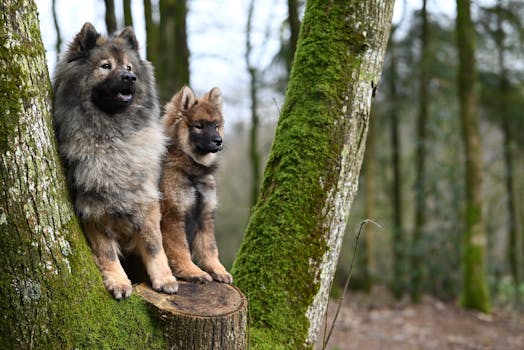
Dutch barge dog; a medium Spitz with a striking wolf-grey double coat, high shedding, and an affectionate, people-focused temperament.

Iconic Scottish herding breed in rough and smooth coats; gentle, intuitive, family-oriented, and more sensitive than many expect.

Athletic Portuguese fisherman's helper with a curly or wavy low-shedding coat, strong trainability, and high grooming needs.

Happy Irish farm terrier with a silky low-shedding wheaten coat, exuberant greetings, and grooming needs that surprise many owners.

Ancient Chinese guardian known for loose skin, a blue-black tongue, deep loyalty, and a reserved, challenging temperament.

Merry, compact sporting spaniel; affectionate and versatile, with silky coat care and meaningful exercise needs.
Compare & learn more
Head-to-head comparisons

What would make you hesitate about this breed?
Help improve PupWiki with one quick anonymous answer.
Find my breed match →