
Keeshond
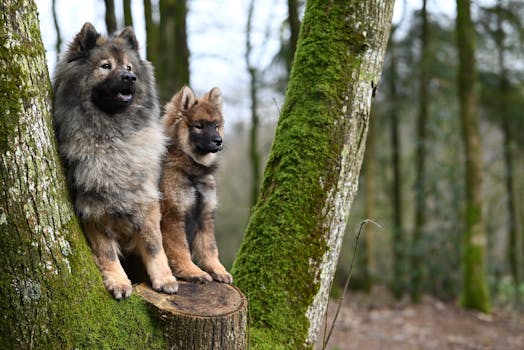
Dutch barge dog; a medium Spitz with a striking wolf-grey double coat, high shedding, and an affectionate, people-focused temperament.
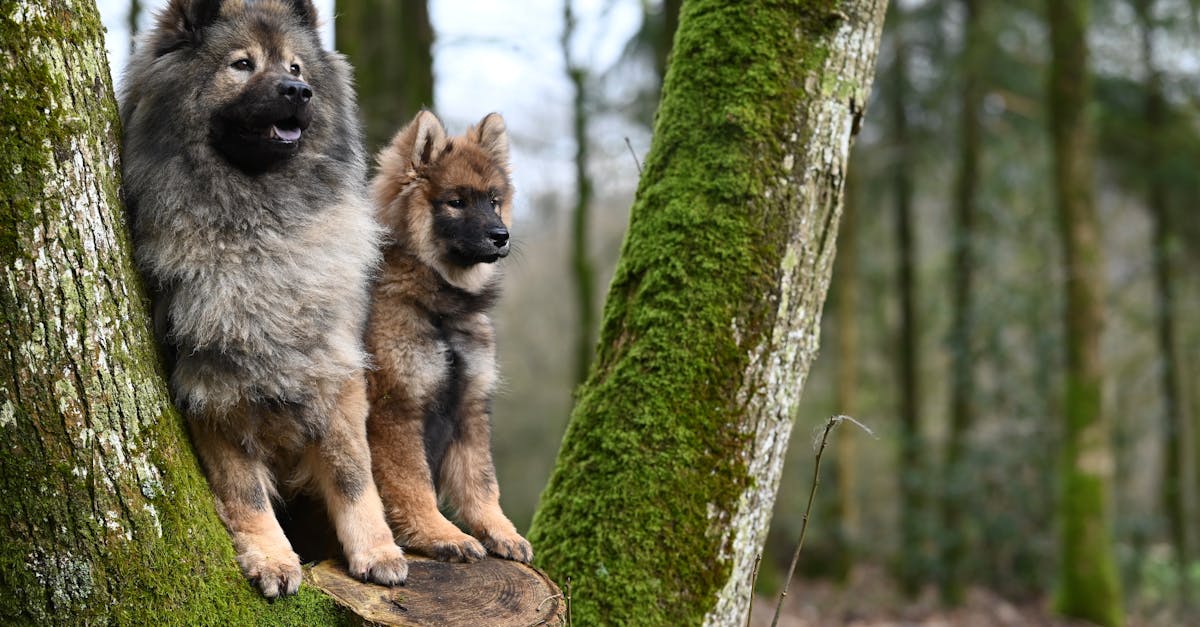
Quick facts: Keeshond
- Size
- Medium
- Weight
- 15.9–20.4 kg
- Origin
- Netherlands
- Life span
- 12–15 years
- Temperament
- Friendly, lively, outgoing, alert
- Energy level
- Medium
- Grooming needs
- High
- Trainability
- Low
- Apartment fit
- High
- Typical annual cost
- ~$2,200
Is the Keeshond right for you?
Best for
- Apartment dwellers and urban owners with moderate activity levels
- Families and multi-person households (bonds enthusiastically with everyone)
- Owners who love grooming or are fully prepared for very high shedding
Not ideal if
- Owners with allergies or a strong aversion to dog hair throughout the home
- Hot climates (thick double coat creates significant heat sensitivity)
- Those wanting a quiet dog (vocal and alert breed)
An affectionate, sociable companion for those who can handle extreme shedding; long-lived and people-focused with moderate exercise needs.
Trait snapshot
Keeshond is part of the Non-Sporting Group — see group tendencies →
What owners actually say
Keeshond owners describe a strikingly beautiful, people-focused companion that bonds enthusiastically with everyone — and are unanimous that the shedding is extreme and the heat sensitivity is real.
- General
Exceptionally sociable and people-oriented. Owners describe a dog that bonds enthusiastically with every member of the household and is warmly friendly with visitors. The breed's affectionate, outgoing temperament is described as its defining characteristic — it is genuinely difficult to find a Keeshond owner who does not describe their dog as joyful.
- Grooming
The shedding is in a different category from most breeds. Owners describe dog hair as a permanent feature of life: on furniture, clothing, floors, and in the air. Twice-yearly coat blows produce extraordinary volumes of loose fur. Daily brushing during blow periods and regular grooming are described as non-negotiable. This is not the breed for owners who strongly dislike dog hair.
- Health reality
Heat sensitivity is significant and consistently underestimated by prospective owners in warmer climates. Owners describe limiting outdoor exercise to early morning and evening during summer, ensuring access to shade and cool water, and being alert to overheating signs. The thick double coat that protects them in cold weather becomes a serious liability in warm weather.
- General
Alert and vocal — barking at sounds, visitors, and activity is natural breed behaviour rooted in watchdog heritage. Owners in apartments or semi-detached houses describe this as a management challenge requiring consistent training. Those in detached houses describe it as less problematic but still worth addressing early.
- Training
Responsive and trainable with positive reinforcement. Owners describe a dog that picks up new cues quickly and enjoys training as a form of interaction and mental stimulation. The breed is sensitive to harsh handling and responds poorly to corrections — owners note that consistent reward-based training produces a more cooperative dog than approaches involving punishment.
Editorial summary. Phase 3 will add structured owner survey data.
Cost snapshot
Range $1,400–$3,800
Range $2,500–$7,500
After first year
Annual breakdown
Assumptions used:
- Regular deshedding and professional grooming every 6-8 weeks recommended
- Standard medium-breed food costs
- Long lifespan (12-15 years) increases lifetime total cost
Last reviewed: 2026-06-20
Read full methodology →Health watchlist
Health information is educational only. Always consult your veterinarian.
Hip dysplasia
Worth checking with breeding stock. OFA certification of both parents is recommended. Maintaining a healthy weight throughout life reduces joint stress. Consult your vet for guidance specific to your dog.
Patellar luxation
Known in the breed. Regular vet examinations can identify luxation early. Maintaining healthy weight and muscle tone supports knee stability. Consult your vet for guidance specific to your dog.
Hypokeratosis
A breed-specific rare genetic footpad condition causing abnormal hardening of the paw pads. A genetic test is available; responsible breeders test breeding dogs. Ask breeders for documentation. Consult your vet for guidance specific to your dog.
Cushing's disease (hyperadrenocorticism)
The Keeshond is among the breeds with increased susceptibility to Cushing's disease. Signs include increased thirst and urination, a pot-bellied appearance, and skin changes. Early diagnosis significantly improves management. Discuss with your vet if you notice these signs. Consult your vet for guidance specific to your dog.
Check your fit
Answer a few questions to see how a Keeshond fits your household.
Frequently asked questions
Do Keeshonden shed a lot?
Are Keeshonden noisy dogs?
How much exercise does a Keeshond need?
Are Keeshonden good in hot weather?
How much does it cost to own a Keeshond?
What health problems are Keeshonds prone to?
How much grooming does a Keeshond need?
Are Keeshonds easy to train?
Are Keeshonds good apartment dogs?
Are Keeshonds good for first-time owners?
Tools for Keeshond owners
Similar breeds to the Keeshond
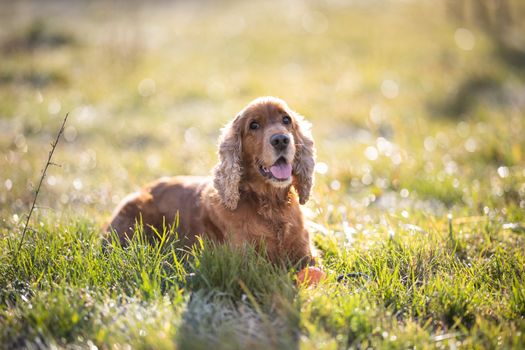
America's most popular sporting spaniel — gentle, responsive, and adaptable; a breed that genuinely thrives as both a family companion and working dog.
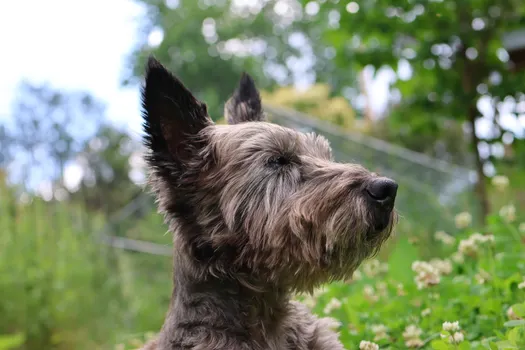
Compact, dignified terrier from Scotland with a bold “Diehard” personality, wiry coat, and independent watchdog streak.

Cuba's national dog — a small, cheerful companion with a silky coat, low shedding, and exceptional adaptability to urban and apartment life.

Ancient Tibetan sentinel companion with a lavish coat, comic personality, and serious watchdog instincts in a small body.

Popular Maltese-Poodle designer mix; low-shedding, affectionate, and apartment-friendly — but coat, temperament, and health vary significantly between individuals due to hybrid genetics.
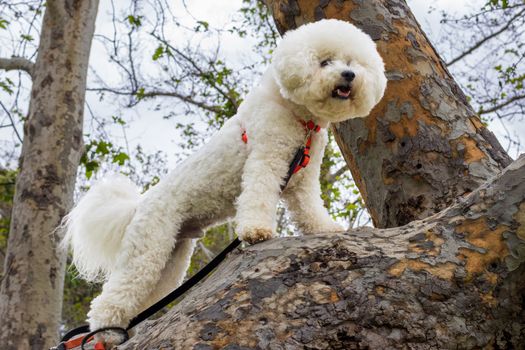
Small, curly-coated companion dog; cheerful, low-shedding, and highly sociable, but requiring intensive grooming and prone to separation anxiety.
Compare & learn more
Head-to-head comparisons
After reading this breed page, what are you still unsure about?
Help improve PupWiki with one quick anonymous answer.
Compare breeds →